
Last Updated: November 20, 2026
Quick Summary
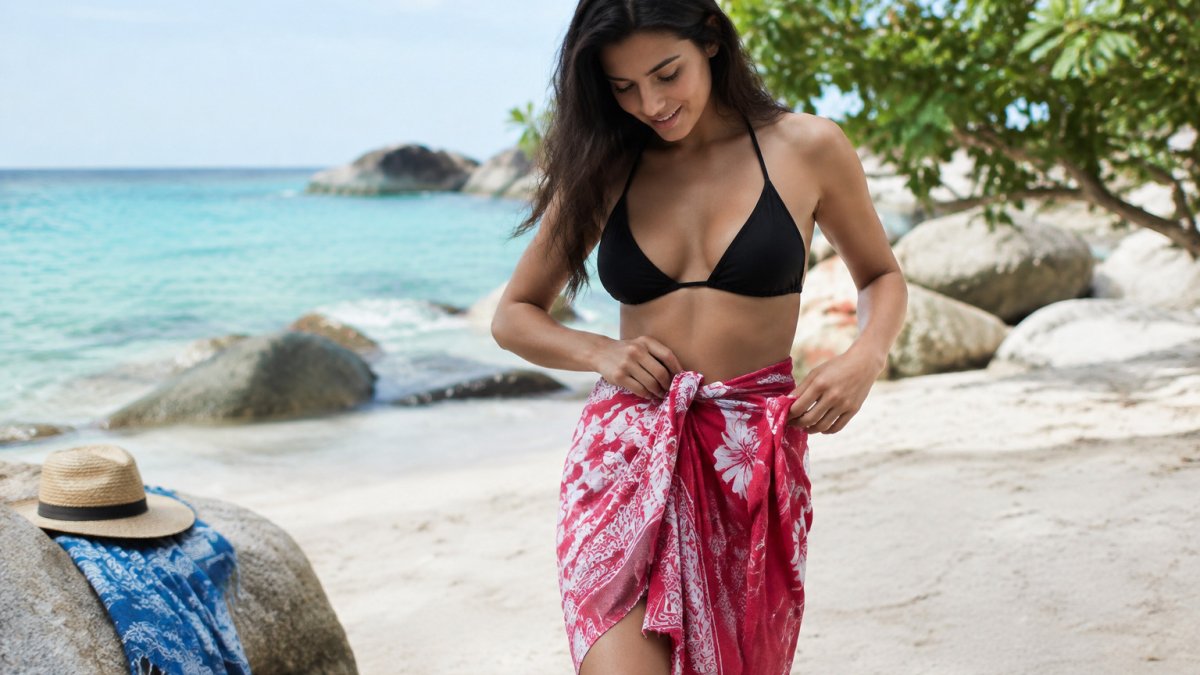
To drape a sarong, hold the top corners at waist height, wrap it once around your body so the ends overlap at the front, then tie a simple knot at your hip and tuck the loose end into the waistband. This classic wrap skirt tie is the easiest method for beginners.
- Start with the top edge at your waist and wrap the sarong once around your body.
- Tie the two top corners in a simple knot at your hip.
- Tuck the loose end into the waistband for security.
- Avoid knotting directly over the hip bone, as the fabric can ride up when you sit.
- For active days, wrap the sarong twice and finish with a reef knot.
Table of Contents
- Choosing the Right Sarong for Draping
- Basic Drape Methods to Learn First
- How to Tie a Sarong Into a Dress
- Keeping Your Sarong Secure All Day
- Dressing Up Your Next Sarong Look
- Frequently Asked Questions
Choosing the Right Sarong for Draping
Learning how to drape a sarong starts before you tie a single knot. The right piece makes every method easier. Get these choices right and the rest follows.
A sarong is a large rectangle of fabric worn wrapped around the body. Many people think any length of cloth will do. It will not. The size, weight and fibre all change how the fabric falls and how well it stays put.
Why Size Matters for Tying
Size decides how much fabric you have to work with. A sarong that is too short gives you little to tuck and secure. One that is too long bunches and drags.
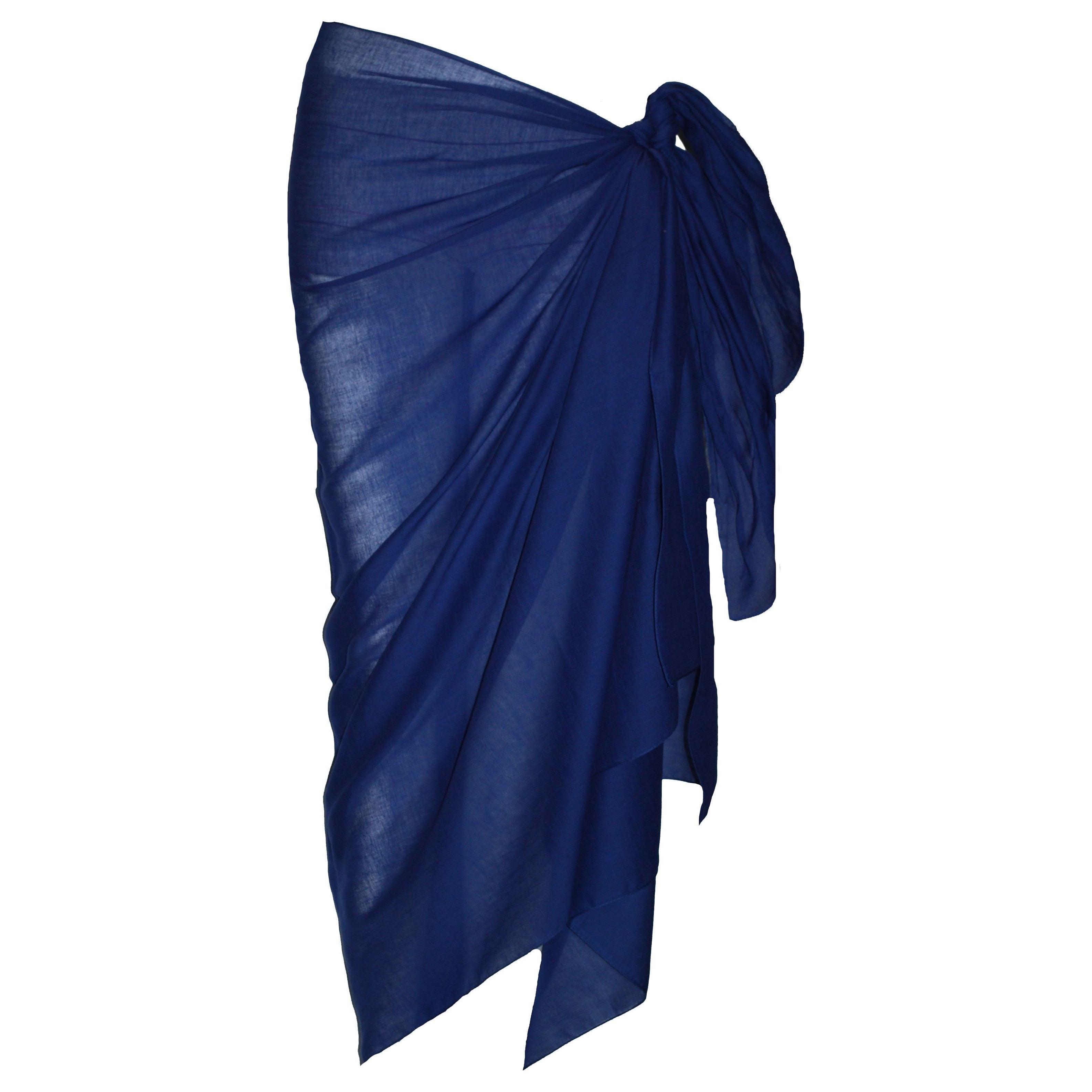
The Premium 100% Cotton Sarong measures 100cm x 180cm, which suits shorter wraps and beach cover-ups.
Watch out: measure your height and where you want the fabric to fall before you buy. A sarong that ends at mid-calf may not reach a knot at your bust for a dress style.
Fabric Choice: Silk, Viscose, Cotton
Fabric affects both drape and grip. Choose based on how you plan to wear it.
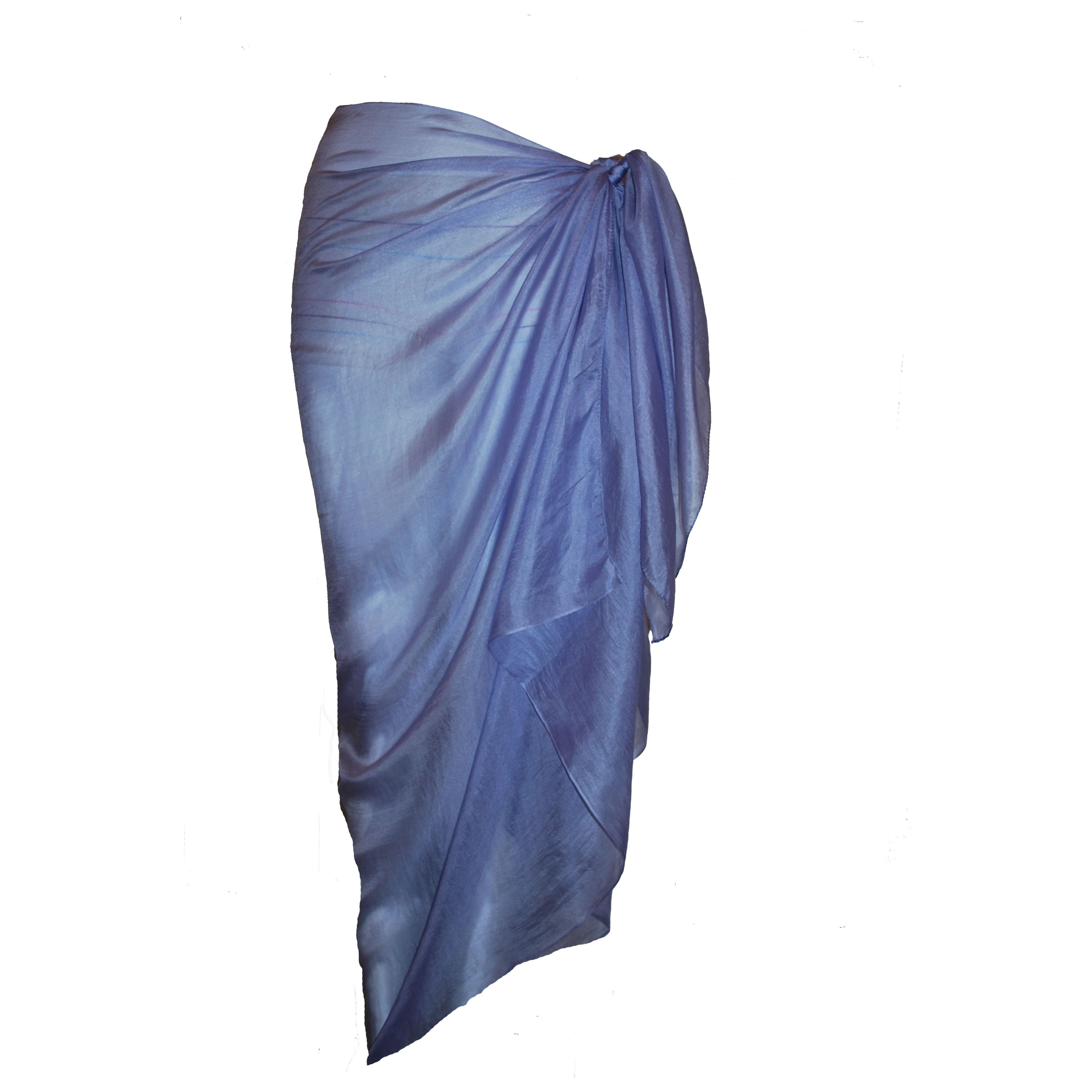
- Silk gives a fluid, elegant fall. The Luxurious Drapes Soft 100 Silk Sarong 100cm X 200cm is a lightweight silk piece with a smooth texture.
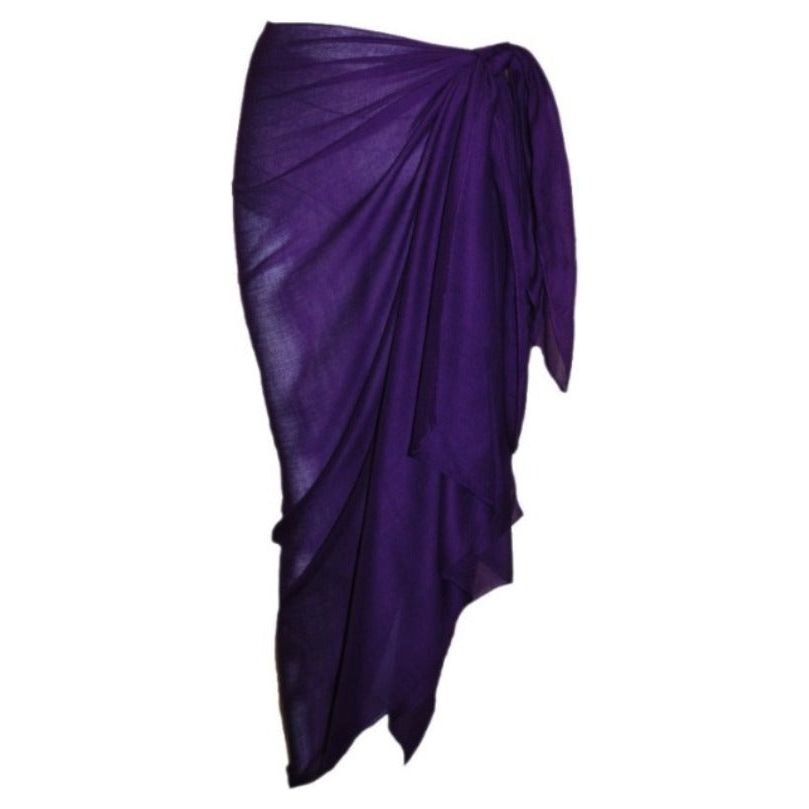
- Viscose has a silky-smooth texture and an elegant sheen. The 100 Viscose Sarong is lightweight and soft.
- Cotton is lightweight and breathable. The Premium 100% Cotton Sarong is a versatile beach accessory.
Basic Drape Methods to Learn First
Start with two simple methods. Master these and every other style becomes easier.

The Classic Wrap Skirt Tie
This is the easiest way to drape a sarong and the one most people learn first.
- Hold the sarong by the top corners, with the top edge at your waist.
- Wrap it around your body once, left to right, so the ends overlap at your front.
- Take the two top corners and tie a simple knot at your hip.
- Tuck the loose end into the waistband for security.
Watch out: tying the knot directly over the hip bone can cause the fabric to ride up when you sit. Shift the knot slightly forward or back to a flatter part of the waist.
The Halter Neck Tie
This style gives a dressier look and works well for the beach to dinner transition.
- Fold the sarong diagonally to form a long triangle.
- Place the centre of the top edge against your chest.
- Bring the two long ends behind your back and cross them.
- Tie the ends behind your neck in a secure knot.
The two core methods differ in how they are tied and where the knot sits, as summarised below.
| Method | Best for | Key step |
|---|---|---|
| Classic Wrap Skirt Tie | Everyday wear and beginners | Tie a knot at the hip |
| Halter Neck Tie | Dressier looks, beach to dinner | Tie the ends behind the neck |
| Watch out (Classic) | Sitting comfort | Avoid knotting directly over the hip bone |
How to Tie a Sarong Into a Dress
A longer sarong can become a dress with a few extra steps. These styles suit warm evenings and quick changes.
Strapless Dress Conversion
- Wrap the sarong around your chest, with the top edge just above your bust.
- Cross the ends at your back.
- Bring the ends back to the front and tie a firm knot above your bust.
- Smooth the fabric so it falls evenly over the hips.
Side-Tie Knot Technique
The side tie adds a relaxed, asymmetric look.
- Gather the fabric at one hip.
- Twist the top edge once and tie a double knot at the side.
- Adjust the hemline so it falls evenly on both sides.
Watch out: a single knot can loosen over several hours. Always add the second knot.
Keeping Your Sarong Secure All Day
A sarong that slips ruins the look, and most slipping comes down to two things: the friction of the fabric and the geometry of the knot. Understanding both lets you build a tie that survives wind, walking and sitting on sand.
Why Knots Come Undone
The second factor is knot geometry. A knot tied with only one pass has a small contact area. A double knot, or a knot with the ends tucked back through the loop, increases the contact area and resists loosening.
Secure Knotting Techniques for Active Days
Use these methods when you will be walking, swimming or moving around rather than sitting still.
- The double-wrap waist tie. Wrap the sarong around your waist twice instead of once before tying. The extra layer of fabric against itself adds friction and spreads the load.
- The reef knot finish. After your first knot, bring the two ends around again and tie a second knot in the opposite direction. This is the same principle as a reef knot and holds far better than two knots tied the same way.
- The tuck-and-pin method. Tie a firm double knot at the hip, then tuck the loose ends under the top edge of the wrap rather than letting them hang. This stops the ends from catching on bags or chairs and pulling the knot loose.
- The halter back-cross. For halter styles, cross the ends behind your back before tying at the neck. The cross adds a friction point and stops the neck knot from sliding upward.
Watch out: a knot that feels tight when you tie it can loosen as the fabric warms against your skin. Test the tie by lifting your arms and bending forward before you leave.
Quick Fixes When You Are Already Out
- Re-tie after sitting for long periods, especially on sand or soft seating where the fabric shifts.
- Wear a fitted top or swimsuit underneath to add a gripping layer between the sarong and your skin.
- Keep a spare hair tie or a small safety pin in your bag for an emergency fix at the hip.
- Choose cotton over silk for a long day out if you know you will be active.
Fabric Care to Preserve Grip and Drape
- Wash silk and viscose on a gentle cycle at a low temperature and lay them flat to dry away from direct heat.
- Wash cotton at a moderate temperature and reshape while damp.
- Avoid fabric softener on any sarong you plan to tie, as it reduces the friction the knot relies on.
- Store sarongs rolled rather than folded to prevent permanent creases that affect how the fabric falls.
Dressing Up Your Next Sarong Look
Once you can drape a sarong with confidence, try new looks. A printed sarong can turn a simple outfit into a statement, and a boxed set can turn a single piece into a thoughtful gift. Browse the full sarong range to find your next favourite, or compare options in our guide to luxury gift sets for women if you are shopping for someone else.
Your first wrap may feel awkward. By the third attempt, it will feel natural.
Frequently Asked Questions
How do you tie a sarong so it stays in place?
Start with a firm tuck. Wrap the sarong around your body, fold the top edge over and tuck it in at the centre, then twist the excess fabric and tuck it into the first fold. For extra security, tie a simple double knot at the side or at the back of the neck. Check the knot after a few minutes of movement and retighten if needed.
How do you wear a sarong as a skirt?
Hold the sarong at your waist with the fabric running across your body. Wrap it once around your hips, cross the ends at the front, then bring them back around and tie a knot at your side or hip. Keep the top edge above your natural waistline for a secure fit. Smooth the fabric so the drape falls evenly before you walk away.
How do you tie a sarong into a dress?
Wrap the sarong under your arms so the top edge sits across your chest. Fold the top corner down, then tie the two ends behind your neck in a halter style, or knot them at the back for a strapless look. For a dress, pull the fabric down to just above the bust and secure it with a knot at the side or back.
What size sarong is best for tying?
A sarong around 100cm by 180cm to 200cm gives enough length to wrap, knot and drape in several styles. Shorter sarongs are harder to tie securely as a dress, while very long ones can bunch. The Premium 100% Cotton Sarong is priced at £10.99, and the 100% Silk Sarong is priced at £24.99.
